Australia has some of the highest UV radiation levels in the world. With two in three Australians developing skin cancer by the age of 70, choosing the right sunscreen is not just a beauty decision, it is a health one. Walk into any pharmacy or supermarket and you will find shelves full of sunscreens, but many people do not realise that not all sunscreens work the same way. The two main types, mineral and chemical, protect your skin through completely different mechanisms. Understanding the difference can help you make a smarter choice for your skin type, lifestyle, and the harsh Australian sun.
What Is Mineral Sunscreen?
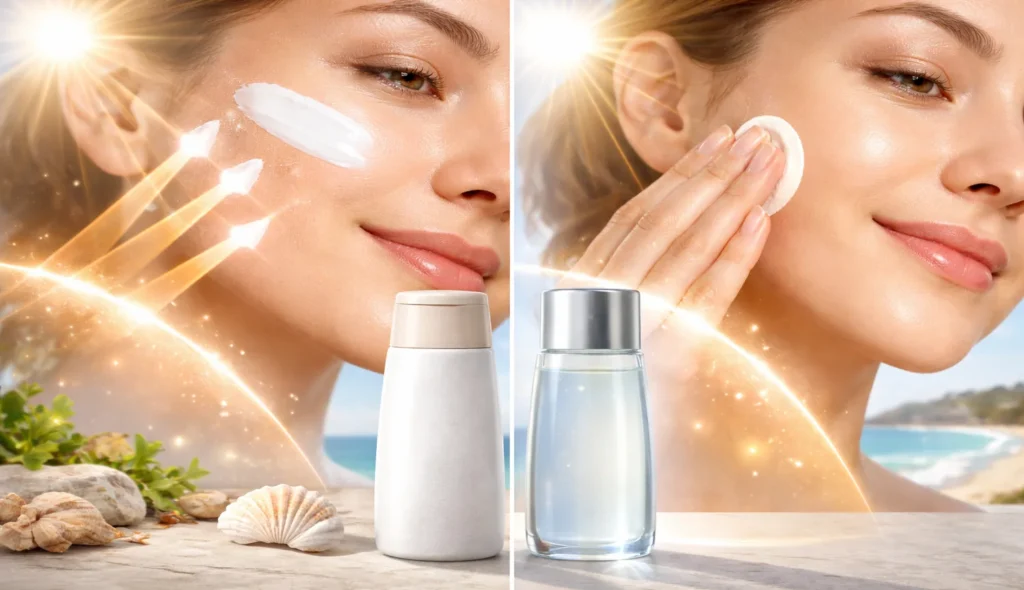
Mineral sunscreen, sometimes called physical sunscreen, uses natural minerals as its active ingredients. The two minerals used are zinc oxide and titanium dioxide. These sit on top of the skin and act like a physical shield, reflecting and scattering UV rays away from the skin before they can cause damage.
Mineral sunscreens protect against both UVA and UVB rays. UVA rays penetrate deep into the skin and are linked to ageing and long-term skin damage. UVB rays are the ones that cause sunburn. A sunscreen that covers both is called broad-spectrum, and mineral formulas naturally offer this coverage, particularly zinc oxide, which provides excellent protection across a wide UV spectrum.
One of the biggest advantages of mineral sunscreen is that it starts working as soon as you apply it. There is no waiting period. This makes it convenient for days when you are heading straight out the door.
Mineral sunscreens are also generally considered gentler. Because the active ingredients sit on the skin rather than being absorbed into it, they are less likely to irritate sensitive skin. This is why many dermatologists recommend mineral sunscreens for babies, young children, and people with rosacea, eczema, or easily reactive skin.
The downside is texture. Traditional mineral sunscreens are thicker and can leave a white cast on the skin, which is more noticeable on darker skin tones. Newer formulations have improved significantly, with micronised zinc oxide blends that go on much more smoothly, but some residual whiteness can still linger.
Also Read: Sunscreen Pilling and how to fix it
What Is Chemical Sunscreen?
Chemical sunscreen works differently. Instead of sitting on top of the skin, it absorbs into the skin and then absorbs UV radiation, converting it into heat and releasing it from the body. Common active ingredients in chemical sunscreens include avobenzone, octinoxate, octisalate, octocrylene, and homosalate.
Chemical sunscreens tend to be thinner and easier to spread. They blend invisibly into the skin without any white cast, making them popular for everyday wear, especially under makeup or on darker skin tones where visible residue is a concern.
However, chemical sunscreens require about 20 minutes after application before they become effective. This is because the ingredients need time to be absorbed and bind with the skin properly. Applying chemical sunscreen right before stepping into the sun means you are not fully protected in those first 20 minutes.
Some people find that chemical sunscreens cause skin irritation or breakouts, particularly those with sensitive or acne-prone skin. Certain chemical filters can also generate free radicals when exposed to UV light, which is why antioxidant-rich formulas are often recommended alongside them. Ingredients like avobenzone can also degrade in sunlight over time, which is why chemical sunscreens often include stabilisers and need to be reapplied more frequently.
The Australian Sun Is Not Like Anywhere Else
Australia experiences some of the highest ultraviolet (UV) radiation levels in the world. This is partly because Australia lies closer to the equator than many European countries, meaning the sun is higher in the sky and UV rays are more intense. The atmosphere over Australia is also relatively clear, allowing more UV radiation to reach the ground. In addition, seasonal thinning of the ozone layer over the Southern Hemisphere can further increase UV exposure. As a result, UV levels in Australia frequently reach extreme levels on the UV Index, especially during summer.
The Cancer Council Australia recommends using SPF 50 or SPF 50+ sunscreen for Australian conditions. Both mineral and chemical sunscreens are available at these SPF levels, but the formulation and stability of the product matter just as much as the SPF number on the label.
In Australia, sunscreens are regulated as therapeutic goods by the Therapeutic Goods Administration, known as the TGA. This means any sunscreen sold in Australia must meet strict testing and labelling requirements. Both mineral and chemical sunscreens on Australian shelves have passed these standards, so you can trust that a TGA-regulated product does what the label says, provided you apply it correctly.
Which Is Better for Sensitive Australian Skin?
Australia has a high rate of skin conditions including eczema, rosacea, and contact dermatitis. For people with these conditions, mineral sunscreen is generally the safer choice. Zinc oxide in particular is known for its anti-inflammatory properties and is less likely to trigger a reaction.
If you have ever experienced stinging, redness, or breakouts after applying sunscreen, it is worth switching to a mineral formula and seeing whether the reaction improves. Many Australian dermatologists suggest mineral options as the first recommendation for anyone with a known skin sensitivity.
That said, some people do react to mineral sunscreens too, particularly to fragrances or other ingredients in the formula rather than the zinc oxide itself. Always check the full ingredient list if you have known allergies.
Mineral vs Chemical for Different Skin Types
For oily or acne-prone skin, this is a tricky category. Some people find that the thicker texture of mineral sunscreens clogs pores and contributes to breakouts, while others find that chemical filters irritate active acne. Lightweight, non-comedogenic formulas exist in both categories, so the best advice is to try a small amount on a patch of skin before committing to a full application.
For dry skin, chemical sunscreens are often more comfortable because of their lighter, more hydrating textures. Many chemical formulas also include moisturising ingredients that make them pleasant for everyday use.
For dark skin tones, chemical sunscreen has traditionally been preferred because it leaves no white cast. However, newer tinted mineral sunscreens and micronised zinc formulas have made mineral options more accessible and flattering for a wider range of skin tones.
For children and babies, mineral sunscreen is the standard recommendation. Australian sun safety guidelines from the Cancer Council suggest keeping children under 12 months out of direct sunlight when possible, but for older children, a mineral SPF 50+ is the preferred choice.
Water Resistance and Outdoor Activities
Australians spend a lot of time outdoors, at the beach, in the pool, playing sport, and working outside. Water resistance matters enormously in these situations.
Both mineral and chemical sunscreens can be water resistant, but the formulation varies. In Australia, a sunscreen labelled water resistant must maintain its SPF protection for at least 40 minutes in water according to TGA standards. Regardless of the type, sunscreen should always be reapplied after swimming, sweating heavily, or towel drying.
For surfing, swimming, or long outdoor sessions, a water-resistant SPF 50+ formula, whether mineral or chemical, is essential. Sunscreen should be applied generously and reapplied every two hours as a minimum, or more often if you are in the water.
Environmental Considerations
Some chemical sunscreen ingredients, particularly oxybenzone and octinoxate, have been linked to coral reef bleaching and damage to marine ecosystems. This is particularly relevant in Australia, home to the Great Barrier Reef. Several locations around the world have banned these specific ingredients in sunscreens to protect marine life.
Mineral sunscreens are generally considered more reef-safe, particularly formulas that use non-nano zinc oxide and titanium dioxide. If you swim in the ocean or near coral reefs, choosing a reef-friendly mineral sunscreen is a thoughtful decision for the environment as well as your skin.
How to Choose the Right One for You
There is no single answer that works for everyone. The right sunscreen is the one you will actually use consistently and correctly. If you find a chemical sunscreen comfortable and are diligent about applying it 20 minutes before sun exposure, it can protect your skin just as well as a mineral option. If you prefer the simplicity of immediate protection and gentler ingredients, mineral is a great fit.
A few questions to guide your choice: Do you have sensitive or reactive skin? Go mineral. Do you wear makeup and want something that blends seamlessly? Chemical or a tinted mineral might suit you better. Are you swimming in the ocean near coral? Choose reef-safe mineral. Do you have dark skin and want no white cast? Look for a tinted mineral or a well-formulated chemical sunscreen.
The Bottom Line
Both mineral and chemical sunscreens offer real, proven protection against UV radiation when used correctly. In Australian conditions, where UV levels are among the highest in the world, the most important thing is to choose a broad-spectrum SPF 50 or SPF 50+ product, apply it generously, and reapply regularly.
Understanding the difference between mineral and chemical sunscreen gives you the knowledge to choose a product that suits your skin, your lifestyle, and your values. Whether you prefer the gentle shield of zinc oxide or the invisible finish of a chemical filter, the best sunscreen for Australian skin is always the one you will wear every single day.